.png)

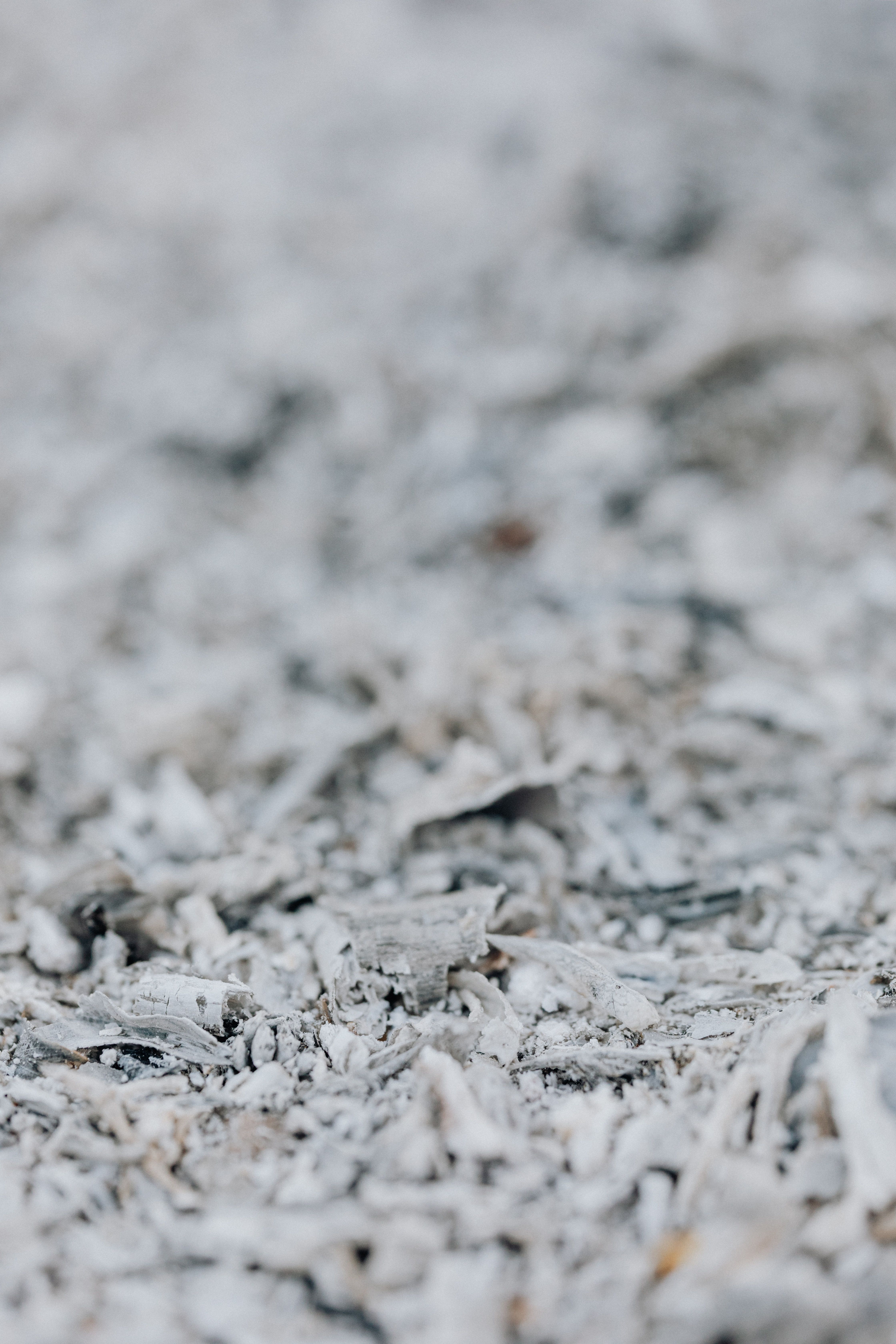

In California, the transition from summer to fall means one thing for environmental compliance: wildfire season is colliding directly with the start of the rainy season. If your industrial facility or construction site is located near a burn scar or downslope from a recent fire, your runoff risks have fundamentally changed.
Here is what you need to know about managing post-fire stormwater and how to keep your site compliant when the first flush hits.
Why ash-laden runoff is a distinct pollutant concernAsh and fire debris are not just regular dirt. When a fire burns through vegetation and structures, it leaves behind a highly concentrated layer of pollutants that can trigger immediate compliance failures.
- Metals and toxic spikes: Ash is heavily laden with metals. If these wash into your sampling points, they can cause immediate Exceedance Response Actions (ERAs) under the Industrial General Permit.
- Nutrient overloading: Burned organic matter releases massive nutrient spikes, which can completely throw off your baseline water quality levels.
- Sediment load spikes: Fire destroys the natural root systems that hold soil together. When rain hits a barren slope, the resulting sediment load spike can easily overwhelm standard filtration systems.
BMP adjustments for burn-affected or downslope sitesStandard Best Management Practices (BMPs) are rarely enough to handle the fine particulates of ash. If you are downslope from a burn area, you must adjust your physical controls.
- Upgrade your perimeter controls: Consider swapping standard plastic-mesh wattles for heavy-duty, biodegradable options like coir logs that can handle heavier sediment loads and naturally filter heavy metals.
- Reinforce drain inlets: Fine ash will clog standard drain inlet filters almost immediately, causing localized site flooding. You must inspect and replace these much more frequently during the first few storms.
- Stabilize bare slopes: Ensure any fire-adjacent slopes on your property are heavily reinforced with hydromulch or physical covers before the rain begins.
What IGP and CGP inspectors look for after a fire-adjacent seasonState inspectors are highly aware of the risks associated with burn scars. They will not give you a pass just because the fire wasn't on your property. They will specifically look for:
- Whether your Stormwater Pollution Prevention Plan (SWPPP) was formally updated to address the new, post-fire environmental baseline.
- Signs of overwhelmed or bypassed drain inlet filters and perimeter controls.
- Evidence of ash track-out at your site exits.
When to call in additional monitoringIf your site is directly downslope from a burn area, relying on your standard baseline sampling might not be enough. You should call in additional monitoring if your initial pH or Total Suspended Solids (TSS) field tests show erratic spikes, or if you notice distinct changes in the color and volume of your runoff. Our Anticipate and Protect model is built to handle these site complexities long before an inspector arrives.
Need a fire-adjacent site assessment?Managing stormwater is hard enough without factoring in California's wildfires. We can take the guesswork out of your seasonal prep and keep your operations protected.
Contact Water Environmental today to schedule a fire-adjacent site assessment, and let's ensure your BMPs and SWPPP are ready for the ash and the rain.
If it involves water, it involves us.


