.png)

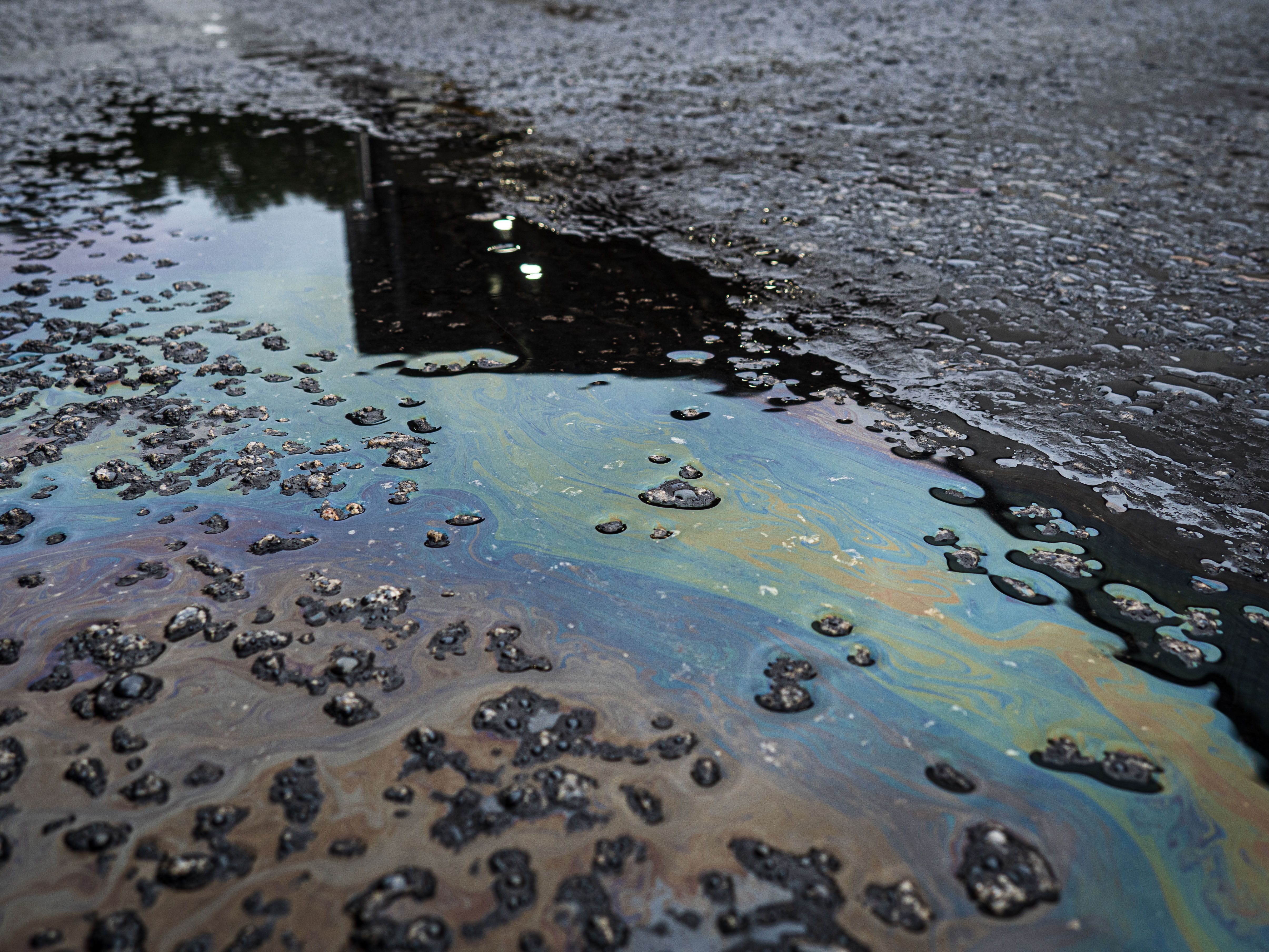

September is National Preparedness Month. While most people associate this month with earthquake kits and fire safety, for California facility managers and site superintendents, it means something entirely different: environmental readiness.
When an unexpected storm hits or a piece of heavy machinery bursts a hydraulic line, your Stormwater Pollution Prevention Plan (SWPPP) is immediately put to the test. Here is a look at what state inspectors actually check during an emergency, where most sites fail, and how you can ensure your team is ready.
Why National Preparedness Month applies to your siteIn environmental compliance, an emergency isn't always a natural disaster. It is a sudden, uncontained spill or an unexpected deluge that threatens to wash pollutants off your property and into the local watershed. National Preparedness Month is the perfect reminder to shift from reactive panic to proactive safety. Our "Anticipate and Protect" model is built to handle these site complexities long before an inspector arrives.
What inspectors actually check during an auditIf an inspector walks your site after a spill or a heavy rain event, they aren't just looking at the puddle. They are looking at your paperwork and your physical readiness. They will immediately ask for:
- Spill response steps: They want to see that your spill and leak prevention response protocols are clearly outlined.
- Emergency contact lists: Your SWPPP must have an up-to-date list of who to call the moment a spill or discharge occurs.
- Employee training logs: California regulations require that all personnel responsible for installing, inspecting, or maintaining Best Management Practices (BMPs) receive adequate training. Furthermore, the California Industrial General Permit (IGP) explicitly requires that a facility's designated Pollution Prevention Team receives ongoing employee training annually.
Common gaps we find in environmental auditsWhen we audit sites in Northern California, we frequently see the same three vulnerabilities:
- Poor housekeeping: Inspectors easily spot leaking hydraulic fluid from parked equipment, overflowing dumpsters, or uncontained port-a-potties.
- Missing or wrong spill kits: Many sites lack fully stocked spill kits visibly stationed around the site. Alternatively, they buy generic kits instead of industrial-grade spill kits tailored to a facility's specific pollutants, like oil-only pads for a vehicle yard.
- Untrained staff: The binder might be perfect, but if the site workers do not know how to spot potential runoff risks or hazardous material spills before they result in regulatory fines, the site will fail an audit.
The simple 5-minute self-checkWalk your site today and ask yourself these three questions:
- Are our spill kits fully stocked, easily accessible, and matched to our actual site chemicals?
- Is the emergency contact list posted, and are the phone numbers still accurate?
- Has our Pollution Prevention Team or construction crew completed their mandatory annual training for this permit year?
Need to get your crew up to speed?If your team hasn't been trained recently, do not wait for an emergency or an audit to find out. At Water Environmental, we provide site-specific SWPPP training to ensure your team is fully equipped to maintain compliance. We offer annual SWPPP and Pollution Prevention Team (PPT) training, as well as annual SPCC (Spill Prevention) briefings to keep your facility safe and compliant.
👉 Contact us today to schedule your on-site or virtual training session, and let's make sure your site is truly ready for the unexpected.
If it involves water, it involves us.


