.png)


If you drink tap water in California's Central Valley, or if your livelihood depends on agriculture, you need to pay attention right now.
On June 15, 2026, the California State Water Resources Control Board dropped a massive, 125-page legal bombshell that will completely upend the state's multi-billion-dollar dairy industry.
The government has finally admitted that their current rules for managing dairy manure are a spectacular failure. But their new “fix”—the Revised Draft Dairy Order—is making absolutely everyone furious.
Environmental groups are calling it a 35-year free pass to poison poor communities. Farmers are calling it a bureaucratic nightmare that will bankrupt family dairies.
The Dirty Secret: It's Not the Ponds, It's the Crops
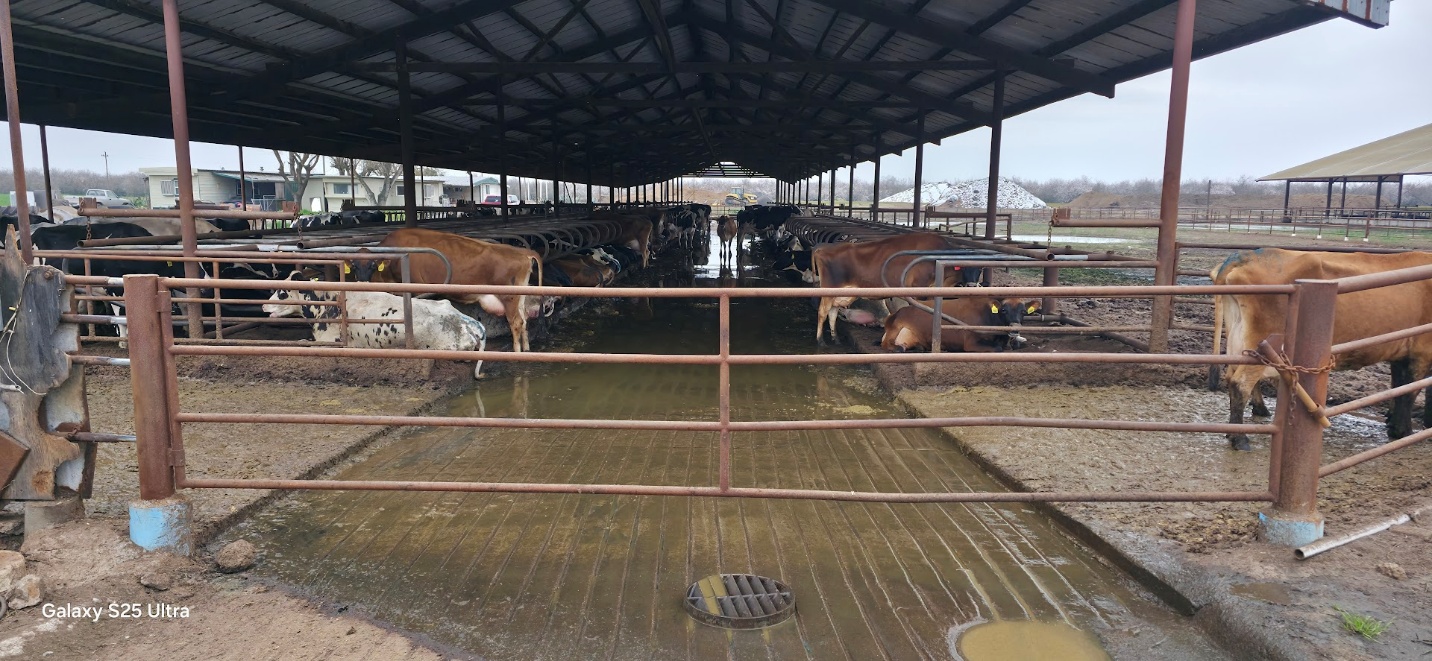
For over a decade, government regulators focused their strictest rules on leaking manure lagoons (the giant dirt ponds where dairies store cow waste).
But the state's new 2026 data reveals a shocking reality: 94% of nitrate water pollution from dairies actually comes from the crop fields, not the ponds.
Because cows produce millions of pounds of waste, and exporting it off the farm is incredibly expensive, dairies simply spray it onto their own crops as fertilizer. The problem? They are blasting the dirt with way more nitrogen than the crops can actually absorb. The toxic excess leaches straight down into the groundwater.
This isn't just an environmental issue; it's a terrifying public health crisis. Nitrates in drinking water can cause “blue baby syndrome,” a potentially fatal condition that starves an infant's blood of oxygen. (Source: National Institutes of Health, nih.gov)
The Government's Controversial “Fix”
To stop the poisoning of Central Valley aquifers, the State Water Board is tearing up the old rulebook. Here are the three massive changes coming to a dairy near you:
- The “Free Water” Mandate: If a dairy is polluting the local groundwater, they can no longer look the other way. They must immediately provide free, safe replacement drinking water (like bottled water or under-sink filtration systems) to their neighbors and farmworkers.
- Double-Lined Ponds & Total Tracking: Existing earthen ponds that sit directly in the groundwater table must be ripped up and upgraded with highly expensive double-synthetic liners. Dairies must also use strict mathematical accounting to track every single pound of cow manure they produce so it doesn't just “disappear” into the soil.
- Zero Grace Period for New Farms: If you want to start a new dairy or expand your herd today, you get zero extra time to adapt. You must comply with the strictest environmental caps on day one.
The 35-Year Loophole Making Everyone Furious
If those rules sound strict, why is the public so angry?
Because of a massive legal loophole for existing dairies. The state admits that stopping the crop-spraying pollution overnight would require inventing entirely new technologies and export markets for manure. Because that takes time, the state is giving existing dairies up to 35 years to fully comply with the new nitrogen limits.
This policy is a political tightrope walk that has managed to alienate both sides:
- The Community Perspective: Families who have been drinking toxic water for decades are outraged. To them, giving mega-dairies another three decades to clean up their act isn't a transition plan; it's a government-sanctioned license to keep poisoning rural, mostly low-income and Latino communities. They argue that if a chemical factory was dumping toxins into a city's water supply, the government wouldn't give them until the year 2061 to fix the pipes.
- The Dairy Farmer Perspective: On the flip side, local farmers feel like they are being set up to fail. Dairy pricing is strictly controlled, meaning farmers cannot simply raise the price of a gallon of milk to pay for million-dollar pond liners, high-tech flow meters, and mountains of new government accounting paperwork. Many fear this order will trigger a mass extinction of small and mid-sized family farms, handing the entire industry over to massive corporate conglomerates who can afford the state's red tape.
Have Your Say Before It's Too Late
We are witnessing a brutal collision between two harsh realities: California cannot survive without its agricultural economy, but human beings cannot live without clean drinking water.
The State Water Board is accepting written public comments on this revised draft only until July 30, 2026, at 12:00 PM PDT. This is your chance to tell the government exactly what you think before these rules are locked in for the next generation. (California State Water Resources Control Board, ca.gov)
What do you think? Are these new regulations a necessary step to save our drinking water, or a fatal blow to California agriculture?
If it involves water, it involves us.


