.png)
.jpg)
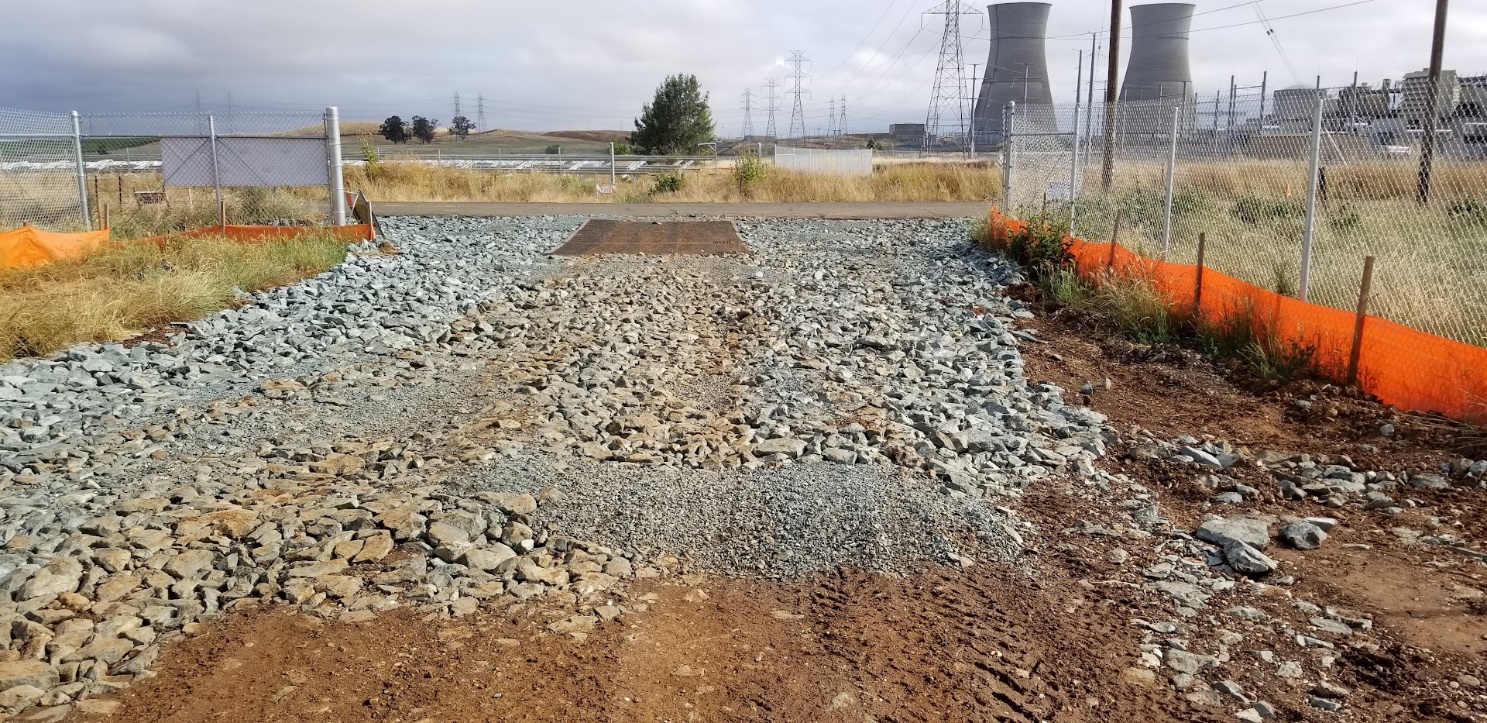

Whether you are breaking ground on a new commercial development or installing a large linear utility project, managing stormwater runoff is a critical piece of the construction puzzle in California.
The State Water Resources Control Board has updated its regulations with the 2022 Construction Stormwater General Permit (CGP) (Order WQ 2022-0057-DWQ), replacing the long-standing 2009 permit. For developers, contractors, and site managers, understanding these new rules is essential to maintaining compliance and avoiding costly project delays.
To help you get up to speed, we've broken down the State Water Board's official 2022 CGP FAQs into this easy-to-read knowledge guide. Let's dive into what you need to know to keep your site compliant from groundbreaking to final stabilization.
Disclaimer: This post serves as general guidance to help dischargers better understand the 2022 CGP. The Water Boards assess official compliance based strictly on the formal permit language.
1. Do I Need Permit Coverage? (The “One-Acre Rule”)
The golden rule of the CGP is the one-acre threshold. You must obtain permit coverage if your construction activity—including clearing, grading, stockpiling, and excavation—results in a land disturbance of one acre or more.
What if my site is less than one acre?
You may still need coverage if your project is part of a “larger common plan of development or sale.” For example, if a developer splits a 100-acre master-planned site into smaller half-acre lots to sell to individual builders, those individual builders still need permit coverage to complete their construction.
Are there any exemptions?
Depending on your site, you may qualify for waivers or exemptions:
- Small Construction Rainfall Erosivity Waiver: For sites between 1 and 5 acres with a very low calculated rainfall erosivity factor (R-Factor < 5). You still must apply and pay a fee, but you are excused from SWPPP, post-construction, and sampling requirements.
- Notice of Non-Applicability (NONA): For sites that are completely disconnected hydrologically from waters of the United States. This requires a technical report signed by a licensed engineer or geologist.
2. 2009 vs. 2022 CGP: What Are the Major Changes?
If you are used to operating under the old 2009 rules, it's time to update your site management strategy. The 2022 permit introduces several significant changes, including:
- Forecast-Based Monitoring: The definition of a Qualifying Precipitation Event (QPE) changed. Inspections are now triggered by forecasted rain events rather than accumulated amounts.
- New Mandates: Implementation of Total Maximum Daily Load (TMDL) limits, Statewide Trash Policy requirements, and rules for dewatering and passive treatment technologies.
- Linear Projects: A new programmatic permitting option is available for linear underground and overhead projects (LUPs) to combine multiple non-contiguous projects under one Notice of Intent.
- What's Gone: Rain Event Action Plans (REAPs) and bioassessment monitoring have been officially retired.
3. Getting Covered: The SMARTS System
Say goodbye to paper forms. All permit applications and documents must be submitted online through the Stormwater Multiple Application and Report Tracking System (SMARTS) prior to commencing construction.
- Who applies? The application must be submitted by the Legally Responsible Person (LRP) (e.g., a corporate officer, general partner, or public agency executive).
- What do you submit? Permit Registration Documents (PRDs), which include your Notice of Intent (NOI), Risk Assessment, Site Map, SWPPP, and the required fee.
- Do I get a paper permit? No. Once processed, SMARTS will issue a Waste Discharger Identification (WDID) number. This number is your official proof of coverage.
4. The New Rules for Rain: Understanding QPEs
Stormwater sampling and inspections saw a massive overhaul in the 2022 CGP. Under the new rules, all Risk Levels must perform weekly inspections as well as inspections tied to a Qualifying Precipitation Event (QPE).
What is a QPE?
A QPE is triggered when the forecast predicts a 50% or greater Probability of Precipitation (PoP) AND 0.5 inches or more of rain within a 24-hour period.
When a QPE is forecasted, your inspection schedule goes into high gear:
- Pre-QPE: Within 72 hours prior to the forecasted storm.
- During-QPE: At least once every 24-hour period while it rains.
- Post-QPE: Within 96 hours after a QPE that actually accumulated 0.5 inches or more.
Pro Tip: You are required to maintain a physical on-site rain gauge. Your inspector must check and document this gauge during every inspection!
5. The SWPPP Team: QSDs, QSPs, and You
To comply with the permit, you'll need the help of certified professionals to handle your Stormwater Pollution Prevention Plan (SWPPP):
- QSD (Qualified SWPPP Developer): Writes, develops, and amends the SWPPP.
- QSP (Qualified SWPPP Practitioner): Implements the SWPPP in the field and oversees Best Management Practices (BMPs).
You can hire multiple QSDs or QSPs, and QSPs can even authorize trained construction personnel to act as “delegates” to help with daily site duties. However, remember: the discharger (LRP) is ultimately legally responsible for compliance.
6. Project Pauses, Post-Construction & Terminating Your Permit
- Inactive Projects: If construction is suspended for 30 days or longer, the LRP can submit a Change of Information (COI) in SMARTS for “Inactive” status. This significantly reduces your inspection and sampling requirements while the site is dormant.
- Post-Construction: Completed projects outside of MS4 jurisdictions must comply with 2022 CGP post-construction requirements, which include a long-term maintenance plan detailing responsibilities for a minimum of 5 years. (Note: Linear projects / LUPs are exempt from post-construction requirements.)
- Annual Reports: If your project is enrolled for at least 90 days, you must submit an Annual Report in SMARTS by September 1st of each year.
- Terminating Coverage: Permit coverage does not automatically expire when you finish building! Once final stabilization is achieved, you must submit a Notice of Termination (NOT) in SMARTS. As a bonus under the new permit, NOTs are automatically approved after 30 calendar days unless the Water Board intervenes. Make sure all outstanding invoices are paid, or your termination won't be finalized!
Quick Reference: CGP Acronym Cheat Sheet
Don't let the “alphabet soup” confuse you. Keep this list handy!
- BMP: Best Management Practice
- COI: Change of Information
- LRP: Legally Responsible Person
- LUP: Linear Underground and Overhead Project
- NOI / NOT / NONA: Notice of Intent / Notice of Termination / Notice of Non-Applicability
- PRDs: Permit Registration Documents
- QSD / QSP: Qualified SWPPP Developer / Qualified SWPPP Practitioner
- SMARTS: Stormwater Multiple Application and Report Tracking System
- SWPPP: Stormwater Pollution Prevention Plan
- TMDL: Total Maximum Daily Load
- WDID: Waste Discharger Identification number
Need More Help?
Navigating the 2022 CGP can be complex, but staying informed is the best way to keep your projects moving smoothly. If you are experiencing technical issues with the SMARTS portal or have invoice questions, you can contact the State Water Board's Stormwater Help Desk directly at stormwater@waterboards.ca.gov.
Need help navigating your SWPPP development, SMARTS reporting, or field inspections? Contact our team today to ensure your construction site stays compliant with the 2022 CGP!
If it involves water, it involves us.


